
Mending the Mosaic - Cultivating Internal Cohesion

A Foundational Online Course for Survivors of Dissociative Identity Disorder—and the Therapists Who Support Them.
  • Teacher
    Dr. Athena Phillips
  • Study time
    1.5 hours
  • Cost
    $39
About This Course
What’s Inside
Our Approach
Instructor

About This Course

Living with dissociation can often feel like trying to conduct an orchestra that has never rehearsed or assembling a mosaic where the pieces don't quite fit. This course serves as your guide to bringing these diverse parts into greater harmony without requiring anyone to change who they are. Whether you are a survivor seeking peace and cooperation within or a therapist looking for creative, concrete tools to support your clients, this program offers a path toward a more connected and whole internal experience. By focusing on mutual respect and safety, we help you transform your inner world into a collaborative, supportive community.

What's Inside

This course provides a comprehensive toolkit for building trust and navigating the complexities of your system through practical exercises and gentle reflection.
  • Synchronized Communication: Master the art of "Checking-In" and establish regular, contained communication channels so all parts feel heard without becoming overwhelmed.
  • Relational Foundations: Apply the core "ingredients" of healthy external relationships—such as trust, respect, and active listening—to your internal world.
  • Trust & Conflict Resolution: Learn to address internal resentment, past hurts, and misunderstandings through structured, healing-focused approaches.
  • Finding Common Ground: Utilize specialized tools to bridge differences:

    Values Mapping: Identify the unifying values that can bring your system together despite differing perspectives.

    The Space Between: An exercise designed to create safe, neutral internal zones where parts can meet, negotiate, and collaborate effectively.

Our Approach

Self-Paced & Reflective

Move at your own speed with exercises specifically crafted to deepen your journey.


Trauma-Informed

Designed for safety, validation, and choice


Accessible

Designed for both survivors and therapists to learn together or separately.


Instructor

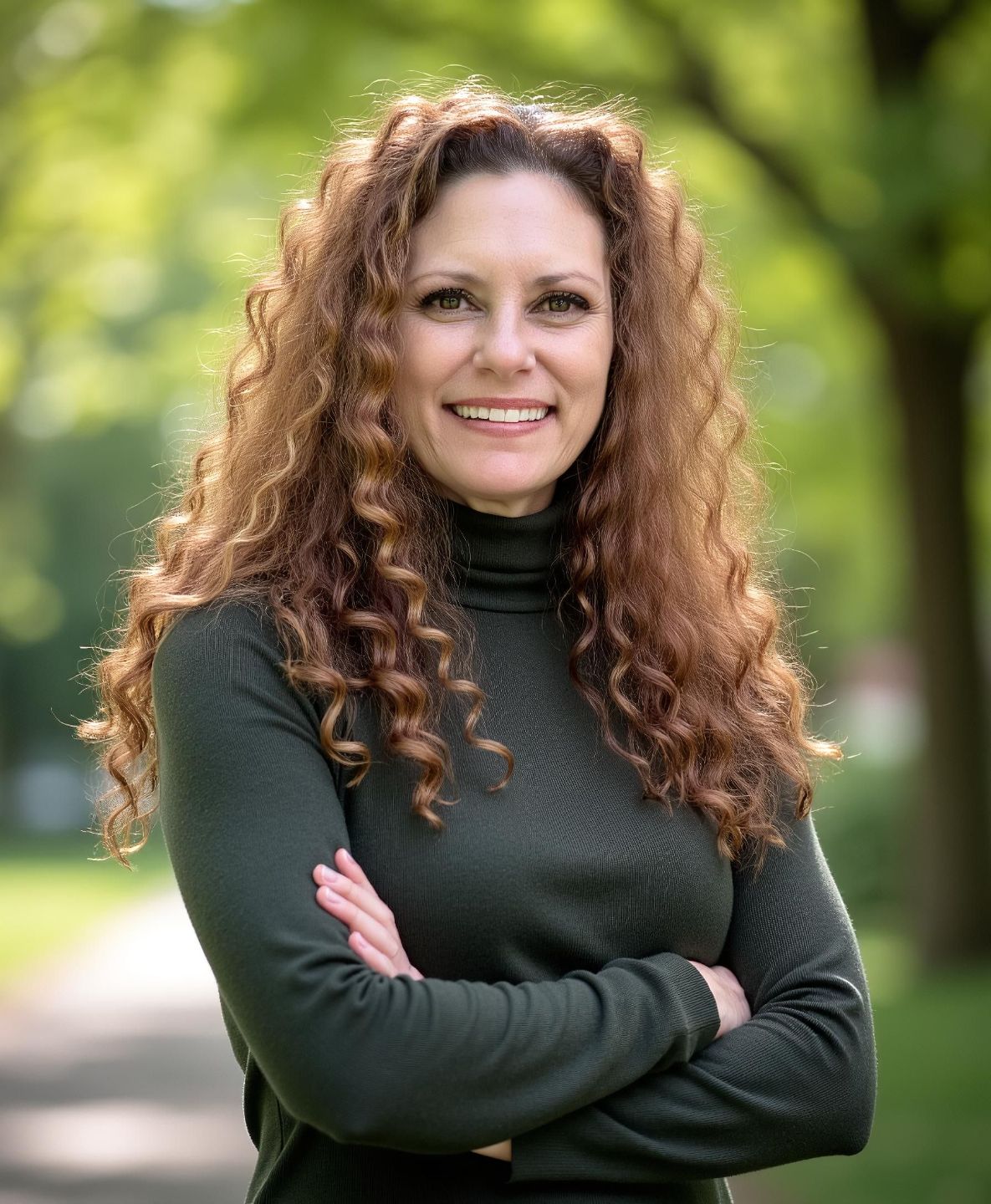
Dr. Athena Phillips
Dr. Phillips has worked in social services for over 33 years, with the past 17 focused on trauma, dissociation, and complex mental health. She is the founder of Integrative Trauma Treatment Center (ITTC)in Portland, Oregon—an outpatient clinic specializing in trauma-informed care. Her approach is rooted in her early work with developmentally disabled children and adults, where she learned to lead with curiosity, respect, and the belief in every person’s inherent strength.

Athena holds a bachelors and master’s degree in social work and a doctorate in Psychology. She’s certified in EMDR, Critical Incident Stress Debriefing, and has completed Level I & II of Internal Family Systems training.

In addition to clinical work, Athena is a global trainer and advocate. She developed and led the Multicultural Trauma Training in Kigali, Rwanda and presents internationally on trauma, dissociation, and global mental health. One of her current projects, The Orenda Project, is a trauma coach certification course created to expand trauma-informed support in under-resourced communities worldwide.

Related Courses

FAQs

Who are these courses for?

These courses are designed for both people living with dissociative disorders and the therapists who support them. The goal is to create a shared understanding of key concepts, language, and treatment tools so that therapy work can be more collaborative and effective

Do I need to be in therapy to take the courses?

The courses are intended to support ongoing therapy, not replace it. While individuals can take them independently, the material is most helpful when used alongside therapy so that insights and tools from the course can be explored and integrated in sessions.

How are the courses structured?

The series includes five on-demand courses that build on one another. Each course focuses on practical concepts and tools drawn from evidence-based approaches to dissociation, helping participants develop skills that support stabilization, understanding of dissociative experiences, and progress in treatment. The fifth course was created for friends, family, and loved ones of people living with structural dissociation.

How do the courses support therapy between sessions?

The courses provide clear explanations, structured frameworks, and practical tools that help people continue practicing and reflecting between therapy sessions. This can make therapy time more focused and help reinforce the treatment process over time.