
Live Training (Online and in-person)

Trauma Coaching: An Innovation for Resource Scarce Communities + Beyond

This presentation reports on a qualitative study exploring trauma coaching as a potential pathway to increase access to care and support post-traumatic growth.


  • Teacher
    Dr. Athena Phillips
  • Date
    August 14, 2026
  • Time
    12PM - 1:30PM PT
  • Format
    Online / In-person
About This Live Training
Learning Objectives
Target Audience
Instructor

About This Live Training

A significant portion of the population will experience trauma, with marginalized communities disproportionately affected due to systemic inequities and limited access to care. Trauma often has intergenerational impacts, shaping individuals, families, and communities. In resource-limited contexts, exposure to adversity is higher while access to trauma-informed services remains scarce, underscoring the need for accessible, non-clinical support options.

This presentation reports on a qualitative study exploring trauma coaching as a potential pathway to increase access to care and support post-traumatic growth. Using interpretive phenomenological analysis (IPA), the study examined the lived experiences of 11 trained trauma coaches in the United States and Canada. Participants had completed trauma-specific or trauma-informed coaching training and were actively practicing within the past two years. Data were collected through semi-structured Zoom interviews.

Findings highlight key themes related to safety, effectiveness, and scope of practice. While a slight majority of participants viewed trauma coaching as a safe modality, all emphasized the importance of robust training, clear boundaries, and ongoing support, alongside the need for developing industry standards. Trauma coaching was frequently described as a complementary or gateway service to therapy. Common interventions included emotional regulation strategies and a strong emphasis on the coach-client relationship, with some participants highlighting body-based approaches and client empowerment.

Participants widely agreed that trauma coaching expands access to care by offering specialized, approachable services. Although most could not confirm post-traumatic growth due to limited client engagement duration, findings suggest promising potential as the field continues to evolve.

Key Learning Objectives

  • Examine key findings on the safety, scope, and practices of trauma coaching from an IPA-based qualitative study.
  • Identify how trauma coaching may expand access to trauma-informed care, particularly in underserved populations.
  • Evaluate the emerging potential of trauma coaching to support post-traumatic growth and inform future research and standards development.

Target Audience

Global audience of Therapists, Coaches, Social Workers, Social Entrepreneurs, aspiring trauma coaches.

Instructor

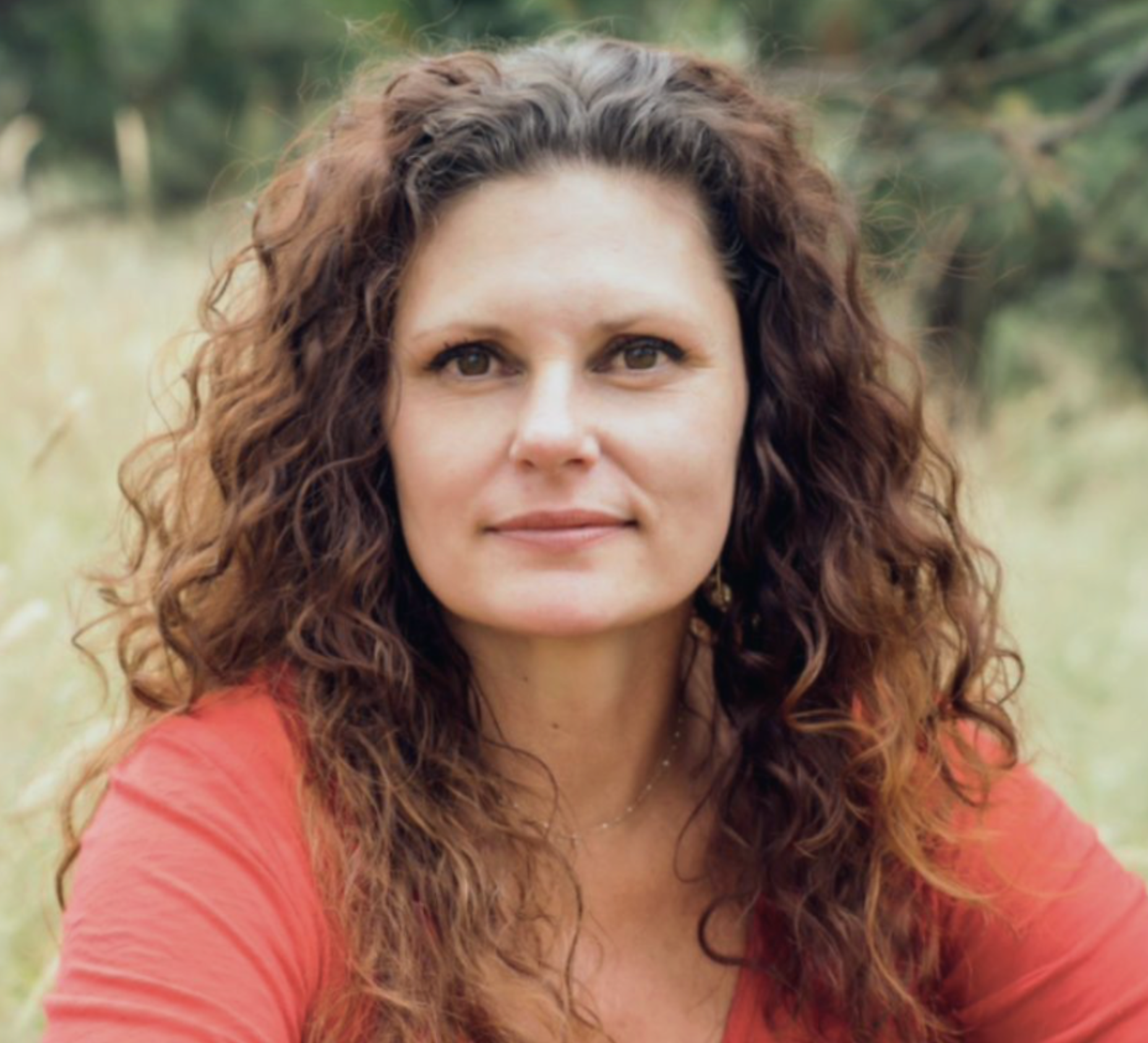
Athena Phillips
LCSW - Licensed Clinical Social Worker
I completed my master's in social work from Portland State University, where I was the recipient of the Laurels Scholarship and graduated Magna Cum Laude. Following graduation, I worked as a medical social worker in the emergency department, medical floors and on an inpatient geriatric psychiatry unit. I started my private practice in 2007, which specialized in trauma and dissociative disorders. After five years of serving this population, the need for more holistic approaches to trauma that were safe and accessible to survivors became increasingly clear. In 2012 I started Integrative Trauma Treatment Center (ITTC), an outpatient mental health clinic housed in Portland, OR. ITTC offers continuing education which offers specialized trainings with a mission to include and elevate clinical voices from all over the world. My most recent endeavor was the launch of an online Trauma Coach Certification course that is designed to be globally accessible and culturally adaptable. This project was designed following trainings I facilitated in Rwanda that were an effort to provide a multicultural platform for clinicians to learn about other cultural lenses through which they could approach their work. My contribution in Rwanda extended to the development of mHub Rwanda, which is an outpatient mental health clinic that is run by Rwandans, for Rwandans. I continue to volunteer my services as a trauma consultant within the mHub community.

Join Our Live Training

Connect, learn, and grow with KALOS. We're a continuing education provider dedicated to expanding access to transformative learning. Our live trainings bring together professionals and individuals from around the world to explore inclusive, culturally diverse content that amplifies underrepresented voices and empowers meaningful change in mental health.

When you register for a live training, we'll automatically create a KALOS account for you, making it easy to access and participate in future live trainings without any extra steps. Your journey toward a more informed, compassionate future starts here.

We're glad you're here. Let's learn together.