Live Training (Online and in-person)

Dissociation + Ketamine: A Case(s) Study

Patients with complex trauma and dissociative symptoms often present with significant and stratified complexity. The treatment trajectory is lengthy, arduous, and milestones typically occur in scarce intervals
  • Teacher
    Dr. Athena Phillips
  • Date
    November 19, 2026
  • Time
    12PM - 1:30PM PT
  • Format
    Online / In-person
  • CE Hours
    1.5 CE Hours
  • Cost
    $49
About This Live Training
Target Audience
Instructor

About This Live Training

Patients with complex trauma and dissociative symptoms often present with significant and stratified complexity. The treatment trajectory is lengthy, arduous, and milestones typically occur in scarce intervals. While research has contributed to notable strides in treatment outcomes for dissociative patients, the length and severity of suffering remains a feature of the clinical picture. Interventions that combine traditional psychotherapy with novel approaches have the potential to decrease the overarching length and cost of treatment to the patient. Ketamine and psilocybin may have potential to significantly shift the treatment trajectory given the research that is emerging for those with treatment resistant depression. While there may be a great deal of promise in these interventions, of equal concern is the risk potential with their use being applied to this population without ample research to support it. Heather’s experience with and response to ketamine as an intervention may offer insight to both the risks and possibilities in the use of ketamine in this population. 

Participants will be able to:

  • Discuss the potential treatment outcomes in the use of ketamine treatment with dissociative patients.
  • Identify potential risks in the use of ketamine treatment with dissociative patients.
  • Discuss the possibilities for the use of ketamine in adjunct with psychotherapy in patients with dissociative disorders.

Target Audience

Minimum of a Master's Degree in a mental health or related field; or be a student in social work, psychology, counseling, or a related field. In Low- and Middle-Income Countries, a minimum of a Bachelor's degree in social work, psychology, counseling, or a related field is required.

Instructor

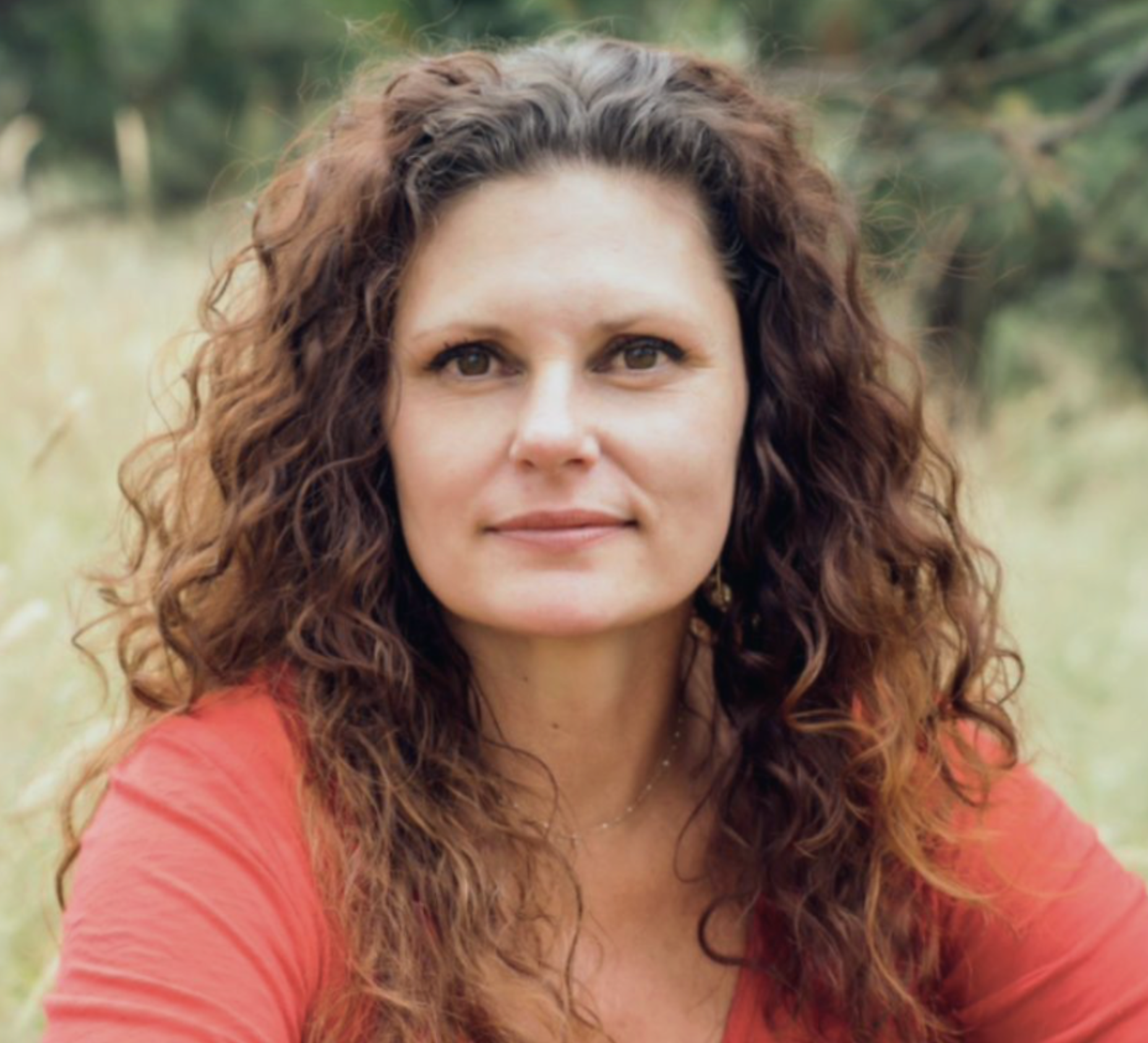
Athena Phillips
LCSW - Licensed Clinical Social Worker
I completed my master's in social work from Portland State University, where I was the recipient of the Laurels Scholarship and graduated Magna Cum Laude. Following graduation, I worked as a medical social worker in the emergency department, medical floors and on an inpatient geriatric psychiatry unit. I started my private practice in 2007, which specialized in trauma and dissociative disorders. After five years of serving this population, the need for more holistic approaches to trauma that were safe and accessible to survivors became increasingly clear. In 2012 I started Integrative Trauma Treatment Center (ITTC), an outpatient mental health clinic housed in Portland, OR. ITTC offers continuing education which offers specialized trainings with a mission to include and elevate clinical voices from all over the world. My most recent endeavor was the launch of an online Trauma Coach Certification course that is designed to be globally accessible and culturally adaptable. This project was designed following trainings I facilitated in Rwanda that were an effort to provide a multicultural platform for clinicians to learn about other cultural lenses through which they could approach their work. My contribution in Rwanda extended to the development of mHub Rwanda, which is an outpatient mental health clinic that is run by Rwandans, for Rwandans. I continue to volunteer my services as a trauma consultant within the mHub community.