
Cultural Considerations at End of Life

Learn to provide culturally competent care by understanding and respecting patients' cultural, spiritual, and familial beliefs in decision-making and communication at the end of life.
  • Teacher
    Diane Bigler
  • CE Hours
    2
  • Study time
    3 hours
  • Certification
    Yes
  • Cost
    $23.99
About This Course
Learning Objectives
Requirements
Instructor

About This Course

This training focuses on providing culturally competent care in end-of-life and palliative settings. The training covers the importance of understanding the cultural, religious, and spiritual beliefs that shape a patient’s perspective on death, dying, and medical interventions. It emphasizes key concepts like decision-making dynamics, communication styles, and the role of family in different cultures. Practical approaches to cultural assessments and integrating spiritual and cultural needs into care plans are highlighted. The training also addresses common challenges, such as the perception of Western healthcare and the need for open communication to ensure respectful and personalized end-of-life care.

Integrative Trauma Treatment Center (ITTC) has been approved by NBCC as an Approved Continuing Education Provider, ACEP No. 6912. Programs that do not qualify for NBCC credit are clearly identified. Integrative Trauma Treatment Center (ITTC) is solely responsible for all aspects of the programs.

Key Learning Objectives

  • Assessing Culture in End-of-Life Care: Understand how culture influences beliefs, decision-making, and communication in end-of-life care. Explore how past healthcare experiences, family dynamics, and spiritual beliefs impact patient preferences.
  • Culturally Competent End-of-Life Practices: Develop care plans that respect the patient’s cultural, spiritual, and family values. Facilitate open communication to align medical interventions with the patient’s cultural needs and preferences.
  • Culturally-Informed Case Study Responses: Analyze case studies to demonstrate culturally responsive care, adjusting treatments for different cultural beliefs. Address potential conflicts in end-of-life decisions by facilitating respectful, culturally aware discussions.

Requirements

Minimum of a Master's Degree in a mental health or related field; or be a student in social work, psychology, counseling, or a related field. 

In Low- and Middle-Income Countries, a minimum of a Bachelor's degree in social work, psychology, counseling, or a related field is required.

Instructor

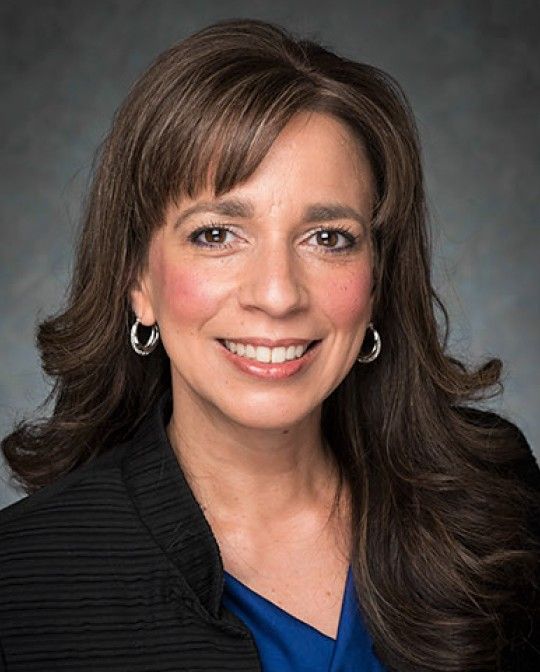
Diane Bigler
LCSW, LSCSW - Mental Health Advocate &  Licensed Clinical Social Worker
Diane is a Licensed Clinical Social Worker in Missouri and Kansas. She has over 20 years of experience in the fields of psychology, social work and mental health. Diane was an Adjunct Professor of Social Work at The University of Kansas, School of Social Welfare, for over 10 years. She obtained her master's degree in Social Work from KU in 2006, with clinical concentrations in Children & Families and Mental Health. Diane taught classes in the Clinical Master's program, which included: Clinical Social Work Practice, Loss and Grief, Cognitive Behavior Therapy, Family Therapy, Advanced Standing Practice, and Mental Health & Psychopathology. Diane was also a practicum Field Instructor, Field Liaison and Community Education trainer for the School of Social Welfare. Diane has facilitated hundreds of trainings to mental health professionals, physicians and nurses, teachers, police officers, business personnel, and local City Council members. Diane enjoys the creativity that comes with envisioning and designing trainings, and aims to provide trainings that are informative, engaging and skill-building. She has customized and facilitated leadership and corporate trainings to EAP clients on wellness and business topics.

FAQs

Can I get a refund?

Please reach out with any issues or concerns you're having with the platform or course. We'll do our best to resolve the issue, but always consider refund requests on a case-by-base basis. 

Will my state board accept these CEs?

Integrative Trauma Treatment Center (ITTC) has been approved by NBCC as an Approved Continuing Education Provider, ACEP No. 6912. Programs that do not qualify for NBCC credit are clearly identified.

Can I interact with the instructor? 

CE courses are designed to be asynchronous, which means they're self-guided without live instruction. Our help team is available to answer any course-related questions you may have. 

How long do I have to complete the course?

You can complete the course at your own speed. If you need to take a break, you can simply log out and our platform will save your place. 

Do I get a certificate immediately?

You're able to download a certificate upon completion of the course, which includes a quiz and feedback survey. 

Are online courses HIPAA-compliant?

Any case studies included in our courses have been appropriately anonymized to be HIPAA-compliant. 

Related Courses