
Mending the Mosaic: Laying the Foundation for Collective Communication

A Foundational Online Course for Survivors of Dissociative Identity Disorder — and the Therapists Who Support Them
  • Teacher
    Dr. Athena Phillips
  • Study time
    1.5 hours
  • Cost
    $39
About This Course
What’s Inside
Our Approach
Instructor

About This Course

Designed for both survivors seeking personal clarity and therapists looking for creative tools, this self-paced journey invites you to view your inner world not as a source of chaos, but as a community. Instead of feeling overwhelmed by fragmented voices, feelings, or memories, you will learn to approach your internal system with curiosity, compassion, and respect. This trauma-informed course provides a safe space to slow down, listen, and cultivate trust, ultimately helping you and your parts move toward greater collaboration and shared healing.

What's Inside

This course utilizes a blend of structured psychoeducation and creative, reflective exercises to help you navigate your inner world. You will work through the following core modules:
  • Psychoeducation: Understand the different types of parts, their specific roles, needs, and protective purposes.
  • Awareness & The Tangled Tale of Time: Explore how your parts experience time differently and use the Many Masks of Me worksheet to identify the various roles you adopt in your daily life.
  • System Mapping: Create visual representations of your internal landscape to identify patterns, triggers, and points of connection.
  • Infrastructure: Build the necessary internal framework to facilitate clearer communication and safer cooperation between your parts.

Our Approach

Self-Paced & Reflective

Move at your own speed with exercises specifically crafted to deepen your journey.


Trauma-Informed

Designed for safety, validation, and choice


Accessible

Designed for both survivors and therapists to learn together or separately.


Instructor

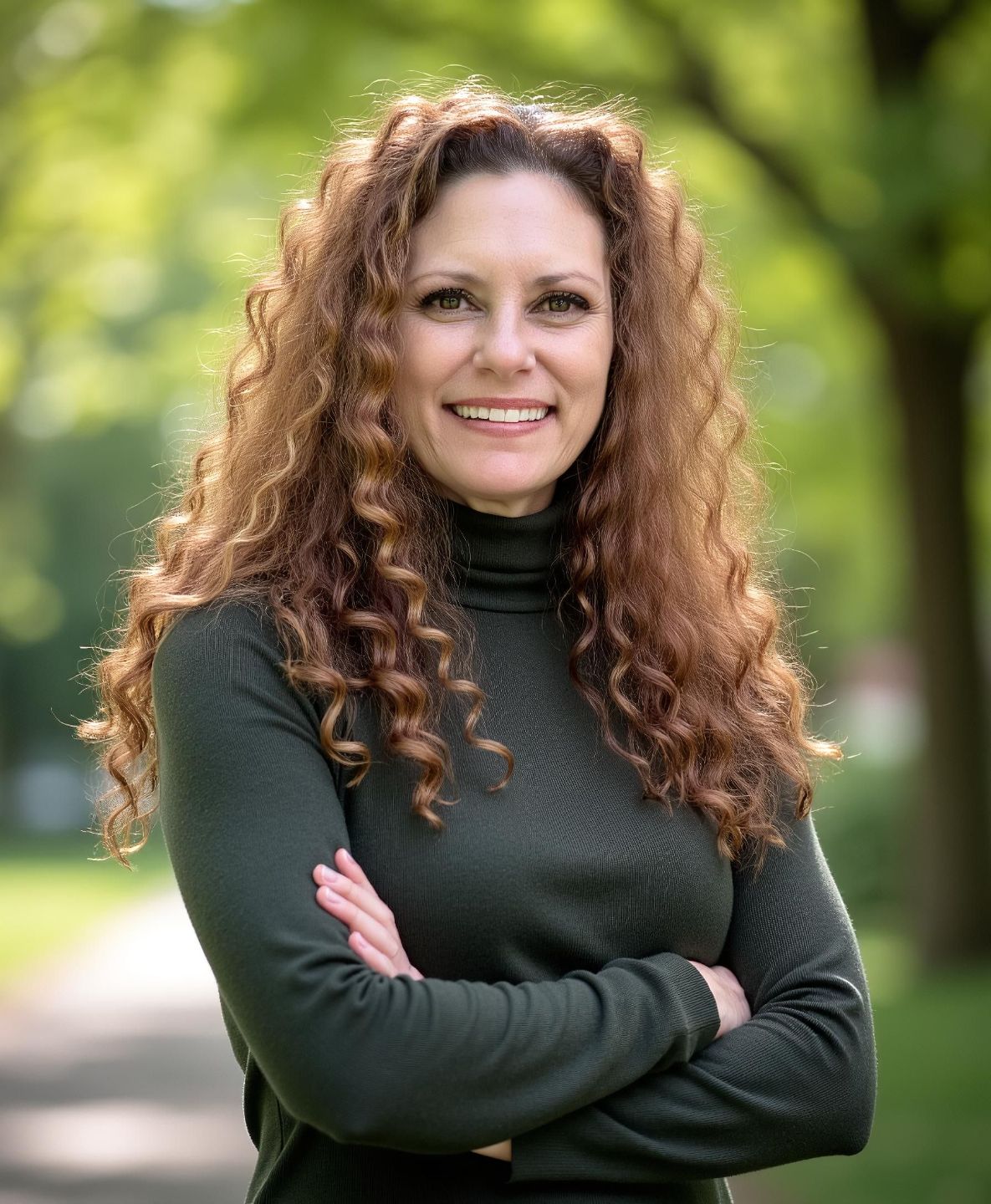
Dr. Athena Phillips
Dr. Phillips has worked in social services for over 33 years, with the past 17 focused on trauma, dissociation, and complex mental health. She is the founder of Integrative Trauma Treatment Center (ITTC)in Portland, Oregon—an outpatient clinic specializing in trauma-informed care. Her approach is rooted in her early work with developmentally disabled children and adults, where she learned to lead with curiosity, respect, and the belief in every person’s inherent strength.

Athena holds a bachelors and master’s degree in social work and a doctorate in Psychology. She’s certified in EMDR, Critical Incident Stress Debriefing, and has completed Level I & II of Internal Family Systems training.

In addition to clinical work, Athena is a global trainer and advocate. She developed and led the Multicultural Trauma Training in Kigali, Rwanda and presents internationally on trauma, dissociation, and global mental health. One of her current projects, The Orenda Project, is a trauma coach certification course created to expand trauma-informed support in under-resourced communities worldwide.

Related Courses

FAQs

Who are these courses for?

These courses are designed for both people living with dissociative disorders and the therapists who support them. The goal is to create a shared understanding of key concepts, language, and treatment tools so that therapy work can be more collaborative and effective

Do I need to be in therapy to take the courses?

The courses are intended to support ongoing therapy, not replace it. While individuals can take them independently, the material is most helpful when used alongside therapy so that insights and tools from the course can be explored and integrated in sessions.

How are the courses structured?

The series includes five on-demand courses that build on one another. Each course focuses on practical concepts and tools drawn from evidence-based approaches to dissociation, helping participants develop skills that support stabilization, understanding of dissociative experiences, and progress in treatment. The fifth course was created for friends, family, and loved ones of people living with structural dissociation.

How do the courses support therapy between sessions?

The courses provide clear explanations, structured frameworks, and practical tools that help people continue practicing and reflecting between therapy sessions. This can make therapy time more focused and help reinforce the treatment process over time.